
Loading...
TOS Thousand Oaks Sunrooms converts decks, encloses patios, and builds custom sunrooms for Fillmore homeowners - every project permitted through the City of Fillmore and built for the valley heat, the clay soils, and the mid-century homes that define this small agricultural town. We reply within one business day.
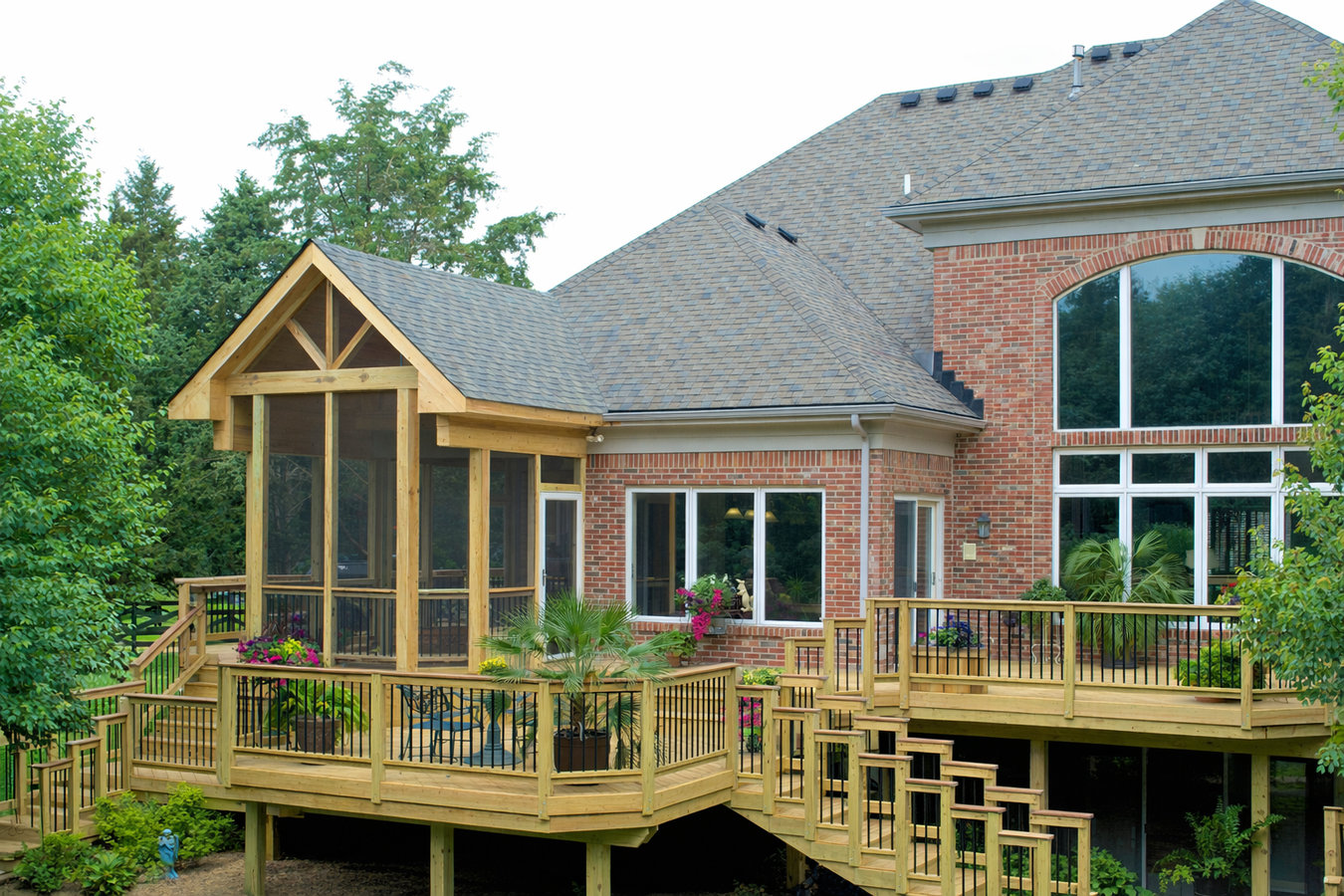
Many Fillmore homes from the 1960s through 1980s have wood decks that were built when the house was young and have now become a liability - aging boards, sun-bleached railings, and a space that gets too hot to use by summer. Converting that deck to an enclosed sunroom gives the footprint a second life and transforms an underused structure into a real room. A deck-to-sunroom conversion uses the existing structure as the starting point and works with what is already there rather than starting from scratch.
Single-family homes in Fillmore typically have a backyard with an existing concrete patio - it is one of the most consistent features of the mid-century housing stock here. Enclosing that patio converts a space that sits empty on hot summer afternoons into one a family can actually use, protected from the valley heat, the dry-season dust, and the winter rains that come in from the west.
Fillmore homeowners who have been in their homes for decades often want more living space but prefer to improve what they have rather than move. Most Fillmore lots have enough backyard room to accommodate a new sunroom footprint, and adding livable square footage to a well-maintained older home is a practical way to increase comfort and property value at the same time.
The valley heat in Fillmore makes an uncovered patio unusable from late morning through late afternoon during summer months. A solid patio cover drops the surface temperature significantly and makes outdoor time realistic through more of the day. It is also a common first step for homeowners who want to eventually enclose the space but want to get started with a smaller investment.
Fillmore is one of the few remaining small agricultural towns in Ventura County, and its older homes near downtown have character that a standard kit sunroom does not fit well. Homes with original rooflines, vintage window placements, and non-standard lot grades need a design that works with the specifics of the property - not a stock solution adapted from a newer subdivision.
Fillmore's mild winters mean a three-season room is a practical choice for homeowners who primarily want to use the space from spring through fall. The weather here rarely gets cold enough to make an unheated enclosure uncomfortable from November through February, so a three-season design with good screens and basic glazing covers most of the year at a lower cost than a fully insulated four-season room.
Fillmore is a small city of about 15,000 people in the Santa Clara River valley, often described as one of the last genuinely agricultural small towns left in Ventura County. The housing stock reflects that character - the bulk of the city's homes were built between the 1940s and 1980s, and many have not been fully updated since. These are mostly single-family stucco homes on modest in-town lots, with some older downtown properties showing wood-frame construction and original foundation types that predate modern building practices. A contractor who mostly works on newer tract homes in Camarillo or Moorpark is working with different materials and methods than what Fillmore properties typically present. Attaching a new sunroom or enclosing an existing deck on a 1960s home here requires assessing the existing framing, sill plates, and foundation before committing to a scope.
Climate and soil are the other two drivers. Fillmore summers are hot - the valley location traps heat, and temperatures in the 90s through early September are routine. A sunroom added without proper low-E glass and thermal framing will be uncomfortable from June through September, which defeats the purpose of building it. The Santa Clara River valley also has expansive clay soils that expand with winter rains and shrink in the dry season. This seasonal ground movement is the main reason concrete flatwork cracks across Fillmore - and it needs to be accounted for in any new slab or foundation poured as part of a sunroom addition or deck conversion. The wet season also brings real rain events between November and March, and the Santa Clara River can rise quickly during heavy storms, making drainage on the property a real planning consideration.
Our crew works throughout Fillmore regularly, and we understand the local conditions that affect sunroom contractor work here. We pull permits through the City of Fillmore Building and Safety Department for every project in the city - Fillmore processes its own permits independently from Ventura County, so applications, plan review, and inspections all go through the city's own building staff. We know the process and track every application so the permit comes back as quickly as possible and the project stays on schedule.
The main road through Fillmore is Central Avenue, which runs through downtown past the historic 1887 Southern Pacific depot - now home to the Fillmore and Western Railway, one of the most recognizable things about this city to anyone who has been here. The neighborhoods on either side of Central Avenue contain the largest share of the older housing stock - single-story stucco homes built in the 1950s and 1960s with original patios and in some cases original wood decks that have needed attention for years. The newer subdivisions on the outskirts of town, toward the citrus groves and the hills, have tile-roof homes from the 1990s and 2000s that present different considerations. We have worked on homes across both parts of the city.
Our team also works regularly in Thousand Oaks, our home base to the east along the 23 and 126 corridors, and in Santa Paula, just a few miles west of Fillmore along Highway 126 - so Fillmore sits in the middle of the route our crews travel most.
Reach us by phone or through the contact form. We reply within one business day and typically schedule a Fillmore site visit within the week.
We come to the property, assess the existing structure - including the deck framing or patio condition - check for soil and drainage considerations, and give you a written quote with the full scope. For older Fillmore homes we note any existing conditions that need to be addressed before the main work begins, so the pricing reflects the real job and not an optimistic estimate.
We file the permit application with the City of Fillmore and manage the review process. City plan review typically takes two to four weeks. We track the status and notify you when approval comes through so the construction schedule stays on track.
Construction begins once the permit is in hand. Deck-to-sunroom conversions typically take three to five weeks. Patio enclosures are often done in two to three weeks. We walk through the finished project with you before we leave and handle the city final inspection on your behalf.
We serve all of Fillmore - from the older homes near Central Avenue to the newer neighborhoods on the edge of town. No obligation, no pressure. We will get back to you within one business day.
(805) 906-7459Fillmore is a city of about 15,000 people tucked into the Santa Clara River valley in Ventura County, with mountains on both sides and working citrus groves at the edges of town. It sits about 20 miles east of the coast and is often described as one of the last genuinely small agricultural towns left in Ventura County - a characterization that fits. The city's main street character is built around Central Avenue, where the historic 1887 Southern Pacific depot houses the Fillmore and Western Railway, a vintage tourist railway that is one of the most well-known things about the city to visitors and a point of pride for locals. The Fillmore Fish Hatchery, operated by the California Department of Fish and Wildlife, sits just outside town and has been running for over a century.
The housing stock in Fillmore is predominantly single-family homes built between the 1940s and 1980s, with a smaller share of newer subdivisions on the outskirts built in the 1990s through 2010s. Most of the older in-town homes are on modest lots with stucco exteriors, concrete or wood-framed back patios, and in some cases wood decks that were added years after the original construction. A homeownership rate of around 55 percent means most residents own their homes and have a real stake in maintaining them. The city is bordered by Santa Paula to the west and Piru to the east, and all three communities share the valley geography, the clay soils, and the hot-summer climate that make sunroom design here different from coastal Ventura County.
Full-service sunroom construction from foundation to finishing touches.
Learn MoreConvert your existing patio into a fully enclosed sunroom space.
Learn MoreWhether your home is near the Fillmore and Western Railway depot or out in the newer neighborhoods toward the hills, we are ready to come take a look. Call now or send a request and we will be in touch within one business day.